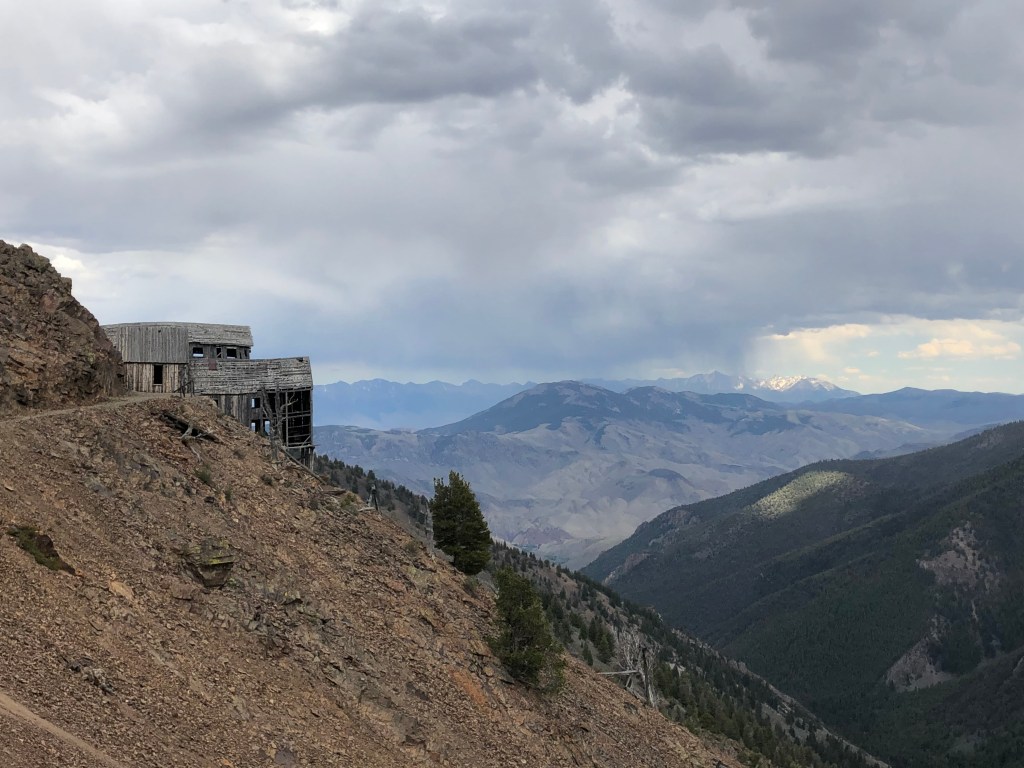
Preservation means saving the records and evidence of the people who lived and built these frontier mining areas; it means having reverence for our ancestors’ actions, struggles, successes, failures, and the knowledge we can gain from their examples.
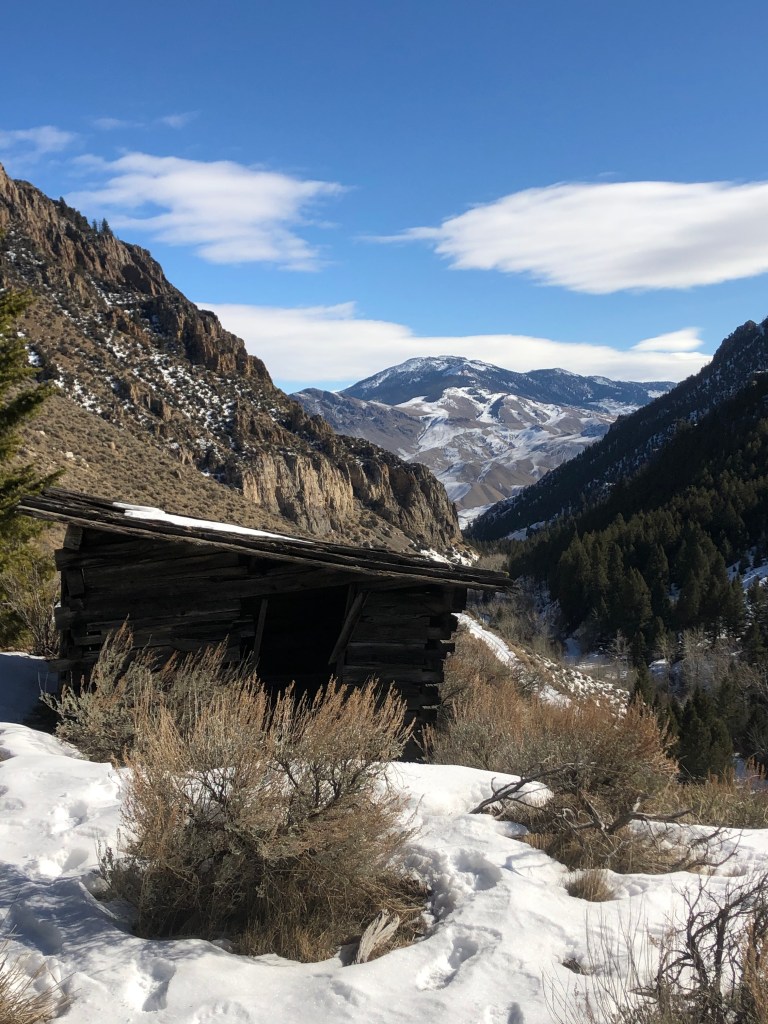
Preserving historical mines, mining districts, towns, and other areas is not about restriction for the sake of restriction. Preservation means saving the records and evidence of the people who lived and built these frontier mining areas; it means having reverence for our ancestors’ actions, struggles, successes, failures, and the knowledge we can gain from their examples.
Every site is important, from the smallest prospect pit to the largest producing mine, because the people who discovered and worked them are priceless parts of our collective history. Global Migrations Project ensures these people’s stories and the areas they lived in and worked in are not forgotten or erased. We are not anti-progress; we must respect the history of the Western United States and the people who made it what it is today.
Global Migrations Project believes preservation must have a focus and reason behind it. We preserve by exploring the landscapes and places in the West, searching for all signs of historical mining and settlements; we believe the best tools are an unquenchable curiosity for knowledge and exploration and a pioneering spirit.
Our preservation efforts are conducted alongside federal, state, county, and local governments. We work with geological survey groups and academic institutions; we explore the records in public libraries and private collections to find evidence of forgotten mines. We work with private landowners who have mines on their property and current mine owners and operators who conduct businesses on historic mine sites. We understand many of these historical mine sites still contain mineral wealth, and we offer our services to companies who want to re-open historical areas to mining while preserving the history of the people who worked them in the past.
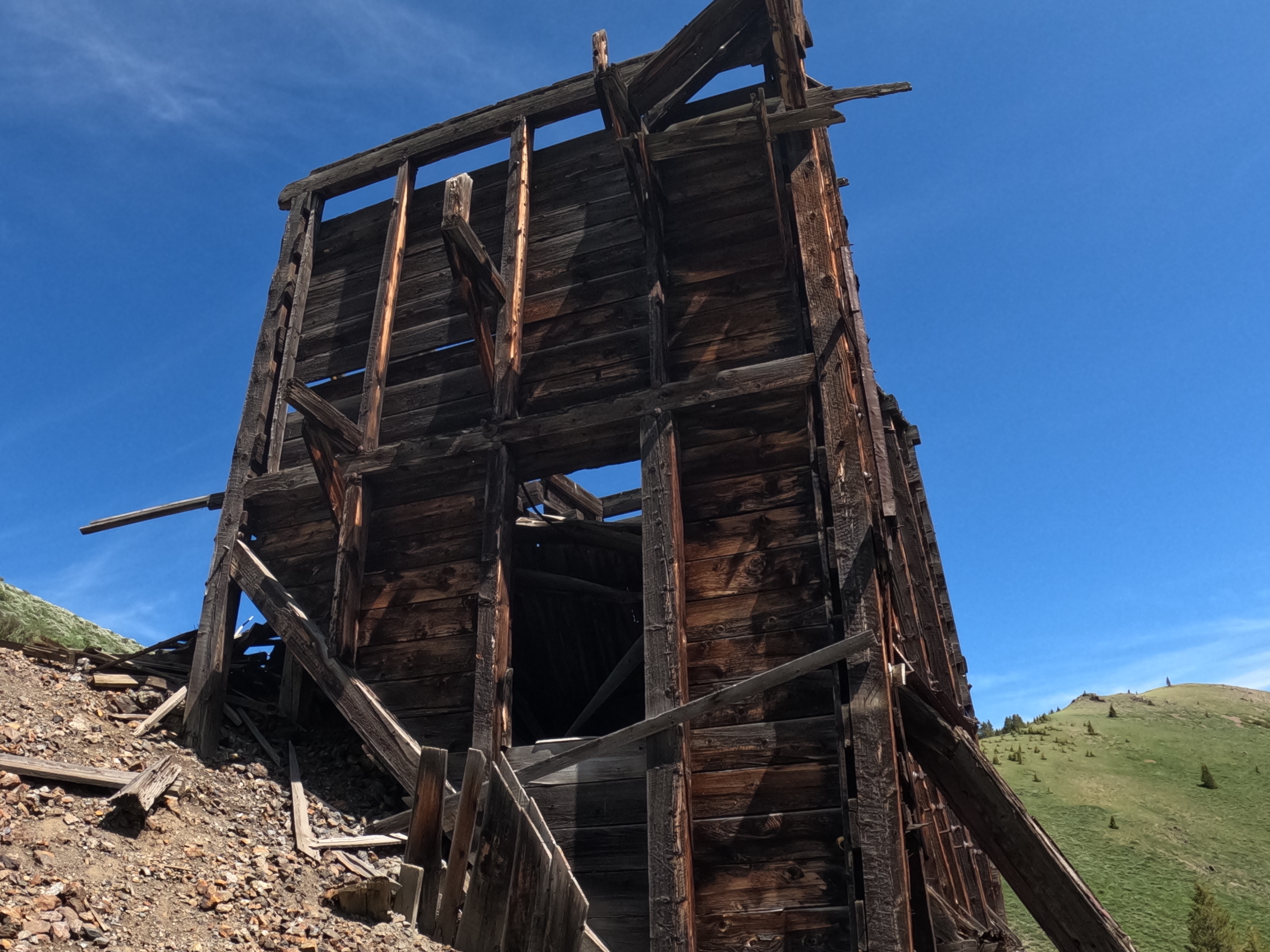
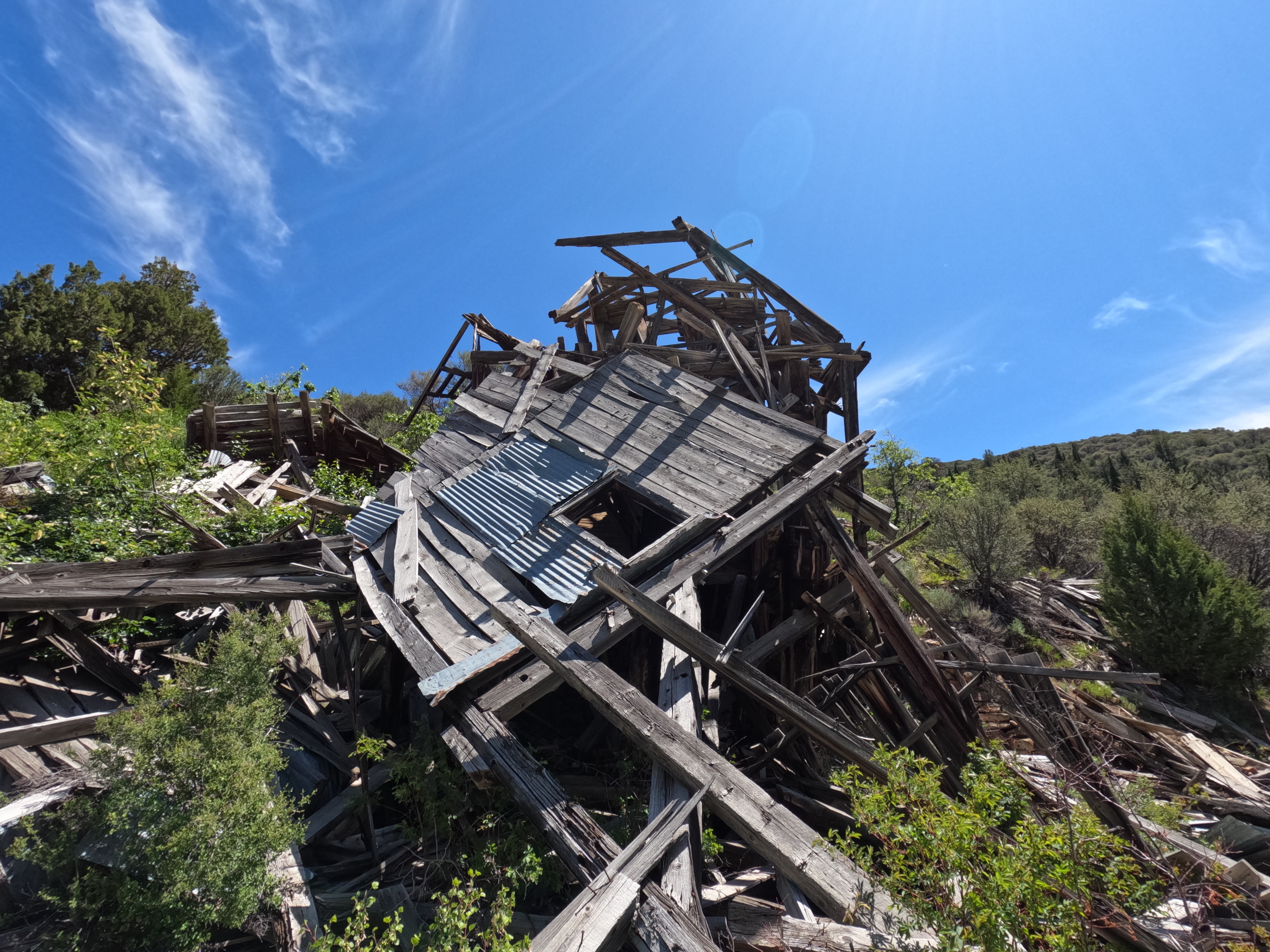
 Global Migrations Project
Leave a comment